Best Photography Software For Mac 2012
(no MIDI) Is this machine suitable for a beginner user such as myself? I have read this article over many times, and had decided to purchase a Macbook Pro 15″, however, I have been offered this 8 month old Air, which has barely been used, at a fraction of the cost. Whats the best program for mac to make beats. I look to produce electronic music using digital instruments to start, as I am an absolute beginner.
If you're a Mac user, one of the best photo management apps already comes pre-installed on your computer: iPhoto. First introduced in 2002, iPhoto was designed as a tool that would easily allow.
The grouping system followed by Photomatix Pro is, to say the least, confusing. ✔ Tip: Want to print your HDR Photos on a Canvas? Then t ake a look at the, like. Nik’s HDR Efex Pro also has a simpler labelling mechanism when compared to some of the other HDR software that we have seen. It appears that they understand that not everyone who wishes to use a HDR software has a deep understanding of photographic terminologies.
Here's seven awesome sites that will get you there. Are still relevant too (outside of a few new features, UI tweaks, and a recent push toward a cloud model; the software hasn’t changed very much since early versions). If you need the best of the best, you need Photoshop. ($29.99) Best for: Users looking for “Photoshop on a budget” without RAW photo support. Pixelmator’s list of included features is impressive for an app that costs just short of $30 and doesn’t rely on a subscription model or further in-app purchases. Available on the Mac App Store, Pixelmator is probably the closest thing you’re going to find to an affordable version of Photoshop, and if you’re used to Adobe’s way of doing things you’ll find yourself right at home in a familiar environment.
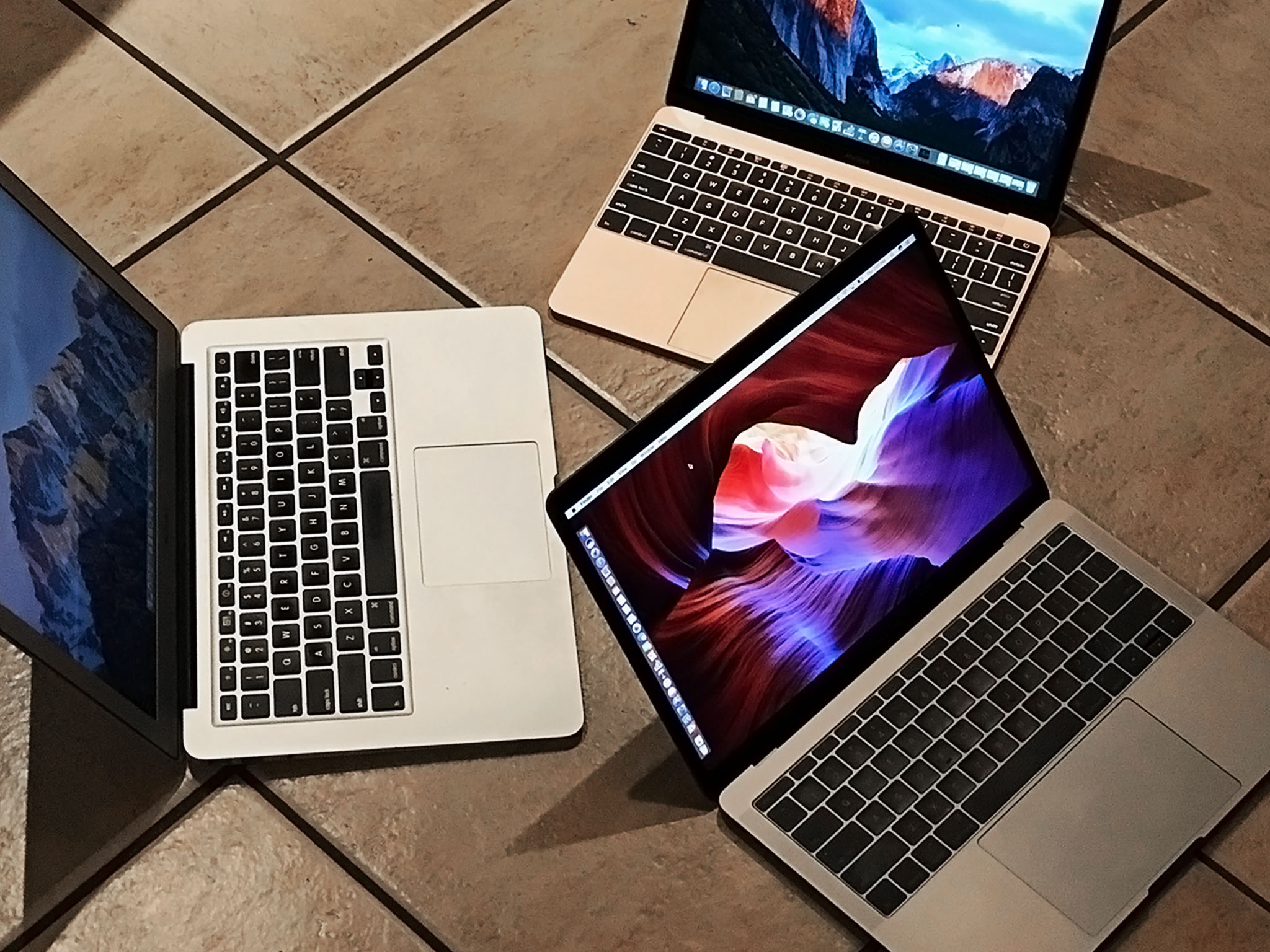
So any question you ask about processing, like 'how do I adjust X in post?' Is likely to be answered with a reference to Lr or Ps. Not that there aren't great alternatives, just harder to find resources.
Free article spinner software for mac. Already, Photomatix Pro garners a sizeable following when it comes to editing and developing HDR imagery. Version 6 of the product releases a number of exciting new features. – One of the Best HDR Software Solutions Details Enhancer vs. Tone Balancer One of the problems of overdoing the HDR effect is that the result looks far too obvious. There is literally very few blacks and whites which tend to suggest that the software has been stretched to produce an unrealistic effect.
The first part on the 2012 MacBook Pro took 12.70 seconds and on the Mac Pro it took 9.10 seconds The second part on the 2012 MacBook Pro took 13.00 seconds and on the Mac Pro it took 11.13 seconds. What about the iMac Retina 5K? Since I had the exact same RAW files for this test I ran it on the iMac: The first part on the iMac took 10.75 seconds and the second part took 10.75 seconds. This makes it only 1.5 seconds slower than the Mac Pro for this test. Pano Stitch The next test was stitching a Panorama together using Photoshop CC and 10 RAW files On the 2012 MacBook Pro this process took 1 minute 12 seconds On the Mac Pro this process took 51 seconds. On the iMac Retina 5K Display this process took 1 minute (9 seconds slower than the Mac Pro) I could have gone on running other tests and other filters, but these are the things I do on a regular basis.
GIMP is a very powerful and flexible image editor that can be further extended through many free plugins. However, it isn't able to match Photoshop in several ways, including the lack of adjustment layers to make non-destructive edits to images and also the flexibility of layer styles. None-the-less, many users swear by GIMP and in the right hands, it can produce creative results that can match work produced by Photoshop. It is also worth noting that sometimes GIMP can offer tools not available elsewhere. For example, the gave GIMP users a powerful content aware fill tool long before such a feature appeared in Photoshop CS5. All in all, I have to conclude that GIMP offers the best overall compromise.
When many professional photographers finish a job, they go to a Mac and use the sophisticated, $150 to copy, review, and cull photos quickly. Unlike a tool such as, which manages a photo library for you, Photo Mechanic is a media browser that reads whichever Finder folders you point it at.
For those of you out there looking for a user-friendly way to manipulate images and photos, Fotor’s desktop version might just fit the bill. It doesn’t have a set of tools like Photoshop for “proper” image editing (no selection marquees, no layers), but it can handle most common photo edits, adjust parameters like exposure, contrast, and saturation; and you can cut images down to size using the in-built cropping tools. The app makes it easy to create tilt-shift effects, photo collages, and apply preset “scenes” to your images for instant adjustments. While Fotor can open RAW files, these are converted to regular lossy images before you can edit them so it’s not a proper RAW processor (and you should avoid using it for this purpose). (Free, $1.99/month or $14.99/year) Best for: Easy to use one-click edits and ready-made effects. Autodesk is a big name responsible for some pretty serious products, and are probably best known for software like Maya and Sketchbook. Pixlr is their entry into the image editing market, with Pixlr Desktop providing a native Mac (and Windows) version of their easy-to-use online editor.
I got the opportunity to test a Mac Pro standard configuration in my studio for a few weeks. I loaded the latest version of my Adobe Creative Cloud applications on it as well as a few utilities that I use such as. Next, I began running side-by-side tests of the things that I do daily that take more than a few seconds. My assumption was that the Mac Pro would certainly be at least twice as fast at everything I threw at it than my 2012 MacBook Pro Retina Display Mac. Actually I was wrong! Now fast forward to November and I have brand new iMac Retina 5k here to review and test.
We go through a lot of pain and efforts to create something original and we deserve its ownership. For example, if you are a photographer you travel the world, click pictures, invest your resources in them, modify them and then you get a masterpiece.
Art Software For Mac
You’ve got layer-based editing, advanced effects, and a native user interface that even supports newfangled features like the touch bar. Pixelmator costs $30, but there’s a one-month free trial. That should be more than enough time to figure out if it fits into your workflow.
With all photo editing needs in mind, we have come up with a list of the top five editors. Whether you want something paid or free you will find a great choice here. What edits can you make with this Mac photo editor? You can replace backgrounds, add artistic overlay effects, add watercolors, create a double exposure, paint effects over photos, create a visual text photo, add a motion blur, add custom frames and create a collage of effects. All these done with guided edits! That is not all!
This produces the sort of results that are realistic and is more likeable. Of course under each of the tools you can adjust the sliders to produce a more tasteful result. Just as with everything else in photography HDR effects too depend on the personal taste and preferences of a photographer. So, overdoing the effects can have disastrous effects.
Photoshop CC definitely takes advantage of multiple cores and now has Open CL support. So filters will run faster on the new Mac Pro. All of these applications are 64bit native and that means that they’ll take advantage of additional RAM. My first test was one of the things I do after every shoot. I convert my RAW files into.DNG (Digital Negative) format. This is one of the few times that I see a progress bar in Lightroom because it does take time to do it.
For macOS users, iMovie is also worth a look. This editor created by Apple costs $15, making it a compelling alternative if your needs fall between a free app and Premiere (or Final Cut Pro, for that matter). Popularity means more product assistance: Video editors like Premiere are common and have been around for a long time, so if you want a tutorial or tech support, it's usually only a Google search away. YouTube is packed with tutorials for Adobe products that can turn a beginner into an intermediate user in a matter of days. Stick to the familiar: VLC Media Player, Media Player Classic Home Cinema, Windows Media Player, and QuickTime are recognized names for a reason. They just work, and they're trustworthy (as in, they're not monetizing or even recording user data).
TSR Watermark Image also offers you free trial version so that you can check it before purchasing. BImagestudio is basically an but it allows you to add images and text as watermark on your photos. It is able to edit multiple photos at once perfectly. Another great thing about it is that it’s completely free. You can perform all the basic functions such as setting contrast, brightness, crop, resize, saturation, hue and of course adding watermarks to your images using this software. BImagestudio supports multi languages and is available only for Windows. Mass watermark lets you watermark your images in an easy and simple way.
The app also contains basic editing features and offers users a quick way to share to social networks like Facebook and Flickr. One of the more unique aspects of Photo Gallery is its ability to build panorama images. There is also a 'Photo Fuse' mode that enables users to combine the best parts of two photos into one. This is useful if you have that jarring group shot where one person is blinking in one and someone is looking off to the side in another. Is free and requires Windows Vista or Windows 7.
Radlab RadLab joins instinctive browsing, perfect effects and a lightning-fast processing engine to bring you the cutting edge in image editing. 30 Brand new effects plus 50 classic favorites come together in RadLab for endless creative possibilities. Photosense Zoner Zoner Photo Studio X is the best Windows software for editing and organizing photos.
It provides users with the ability to tweak countless aspects of their images and also lets them merge different exposure brackets into one HDR photo. The best part about is the ability to edit the resulting images within the same program, however you may want to. The worst part of using Photoshop for this purpose is that if you are new to the program, it is not the easiest thing in the world to wrap your head around so be ready for a steep learning curve. Whatever HDR processing software you choose for your real estate photos ultimately depends on your personal preference. All three of the programs listed here are very good at what they do, but Aurora HDR is the only one that is a dedicated program for the task. That may be a pro or a con for you, depending on your overall workflow, but we do recommend you to take a look at this easy-to-use HDR image editor before you make up your mind.
Picasa allows sharing of original photos, easily and quickly retrieved from a folder, onto web albums. Compatible with digital cameras, and offering basic editing of contrast and colour, this is a great tool for retrieving photos from your archive (even those that you had forgotten that you took!) as Picasa will scan your computer and bring all images together for better. For photographers seeking to download design software and move one step further from Photoshop, Macromedia Fireworks MX is the and publishing suite that offers a huge number of graphics editing options.
Presets make it extremely easy for photographers to quickly give certain effects. A thing that I like about the HDR Efex Pro software is that it groups the presets into meaningful image types. So, you have groups like Landscape, Architecture and Artistic.
The perspective tools make it easy for you to draw. When you draw points on the canvas a perspective grid appears and you can then use to arrange. The color picker and brushes can be easily accessed as they are displayed right on the screen. A really cool and unique feature is the kaleidoscope tool which applies effects like those of a kaleidoscope on the image.
Lr can to great work in most situations. I would not suggest replacing it until you've mastered it. The only exception to that would be if you want to abandon the subscription for financial reasons. If that's the case, I would second the Photoshop Elements 2018 suggestion.
Added to this, it lets the user share pictures via the main social Internet sites, such as Facebook, YouTube, Vimeo, Twitter and more. This Mac photo editing software lets users make changes varying from quick-one-click fixes to artistic creations. In brief, Adobe Photoshop Elements is a great tool for those photo enthusiasts that don’t want to get into very technical stuff. Interested in recovering your deleted or lost photos? Download Disk Drill.
There are some very nice, similar equipped laptops that compares well to the MacBook Pro, but the price is also similar. One thing that used to annoy me terribly (I don’t know if this has been fixed) was the mixture of color managed and non-color managed environment on Windows. Photoshop would use the color profile embedded in a file (e.g.
Not even a contest here. Great article but save yourself time – get and iMac with 5k display!! Simply great and a severe bargain at that price when you compare it to other displays like it. Dell has a 5k for $2000!! You get a powerful computer with it for $500-$1000 more. @Yvonne, The Mac recommendations are a little different style than PC.
If that is PC, where you are comfortable and productive, no reason to switch to Mac because you are a photographer. But that are many who aren’t happy or truly comfortable with their PC and investing in a Mac may allow them to focus more on photography (and getting through their edits) rather than worrying about their computer. I’m a PC to Mac convert, But not 100%, but I personally wouldn’t go back.
We apologize for any inconvenience this may cause.
In general, I like the simple interface of Affinity Photo editor for Mac and its variety of different tools. Pixelmator PRO Another Great Photo Editing Software for Mac OS X is popular photo editing app among Apple users due to its nice price and a long list of different interesting features. As in all the previous points, I can't ignore the fact that its interface is influenced by Photoshop greatly.
Won’t do you any good to have loads of RAM and a SSD drive if you don’t have a decent CPU. Get the best one you can afford, but upgrade the other things listed previous to the CPU first.I have been an AMD processor fan for many years, just like I love to cheer on the underdog in sports. AMD has often had a better price to performance ratio over Intel, but when it comes to running photo editing software there is no question the software is heavily optimized for Intel processors. Photoshop and Lightroom will still run on AMD, you won’t have a problem launching the application, but I think it is worth the money to go with Intel.I also recommend at least a Core i3 processor. The software will run on a Pentium or Celeron process from Intel, but not nearly as well. The Core i5 is a pretty big step up from the i3, and the Core i7 won’t break a sweat on this kind of work. • Large, high resolution IPS monitor.
One of the best parts of Aperture is a recent addition: With the latest version, iPhoto libraries can be accessed in Aperture and vice-versa. This is important for users who want to share a library with another person, and for those times when you might want to make quick edits to some photos but dive deeper on others. The one downside to Aperture is that, aside from the most recent library update, the program hasn't been given a major overhaul in over two years. It still supports the latest RAW formats, but the interface is getting a bit long in the tooth. Still, at just $79.99 in the, Aperture is a great buy for the budding Mac photo enthusiast. For the Photo Pro or Enthusiast Who Wants Lots of Control Lots of professional photographers live and die by for their image processing and editing needs. Over the years, however, Photoshop's focus has broadened and focused on more general graphic design rather than just photography.